
Apple Tree Diseases And Cures: 10 Proven Questions Answered
Apple tree diseases and cures depend on accurate identification. Apple scab, fire blight, cedar-apple rust, powdery mildew, black rot, and canker have different causes and management steps. Start with the symptom pattern, remove sources of infection, improve airflow, and use only locally appropriate, label-directed products when prevention requires more than cultural care.
Table of Contents
Key Takeaways
- Identifying the affected plant part, symptom pattern, and likely cause is the first step in treating any orchard disease.
- Many fungicides protect healthy tissue but do not restore leaves or fruit that already show damage.
- Fall sanitation, dry foliage, an open canopy, resistant varieties, and removal of diseased wood reduce disease pressure over time.
For backyard growers, symptoms can appear quickly and look alike. This guide treats diagnosis as the necessary first step, since spots may reflect apple scab, rust, or another problem, while yellow leaves can result from disease, drought, poor drainage, insects, or nutritional stress.
The following sections answer the questions growers commonly ask after finding spots, powder, dieback, or blemished fruit. They explain what can be managed, what cannot be reversed, and when a local diagnostic clinic or certified arborist is the safest next step.
What are the most common apple tree diseases and cures?
The most common problems in home orchards include fungal diseases such as apple scab, cedar-apple rust, powdery mildew, black rot, and canker, plus the bacterial disease fire blight. A useful cure is not one universal spray; it’s a sequence of diagnosis, sanitation, canopy management, resistant plant selection, and carefully timed protection where the label permits it.
University extension guidance consistently treats disease management as preventive and integrated. Oregon State Extension’s home-orchard guide, for example, emphasizes cultural practices alongside least-toxic options rather than relying on one product.
Apple scab: olive-green spots and corky fruit
Apple scab is caused by the fungus Venturia inaequalis. Early symptoms include olive-green, velvet-like leaf spots with fringed edges. As lesions age, they can darken, merge, and cause yellow leaves to drop; young fruit may develop brown, corky, cracked, or distorted areas.
The fungus overwinters mainly in fallen diseased leaves. Raking, chopping, or otherwise managing fallen leaves in autumn reduces the source of spores, although wind can still bring spores from nearby trees. Pruning for air movement and choosing resistant cultivars also reduce risk.
Fire blight: water-soaked blossoms and blackened shoots
Fire blight is a bacterial disease that can kill blossoms, shoots, and branches. New growth may wilt rapidly, turn brown to black, and form a shepherd’s-crook shape. In wet conditions, affected tissue can produce bacterial ooze.
Promptly remove clearly diseased wood according to local extension guidance, cutting well below visible symptoms and disinfecting tools between cuts. Avoid spreading bacteria through careless pruning or handling, and don’t assume a darkened shoot is fire blight without checking the whole symptom pattern.
Cedar-apple rust: orange lesions and a two-host cycle
Cedar-apple rust requires compatible juniper or cedar hosts as well as apple or crabapple tissue to complete its life cycle. On apples, look for yellow-orange leaf spots that may develop dark centers or tube-like structures on the underside; fruit can also be affected on susceptible varieties.
Because the disease moves between hosts, removing every nearby host is often impractical and may not be permitted or desirable. Instead, use resistant varieties where suitable, reduce infected debris, monitor both host plants, and follow a local, label-approved preventive program if disease pressure justifies it.
Powdery mildew, black rot, and canker: different clues, different actions
Powdery mildew commonly produces white, powder-like growth on leaves or shoots, along with curling or distorted new tissue. Black rot and frogeye leaf spot can produce dark lesions on leaves, fruit, or limbs, while cankers create sunken or discolored areas in bark and wood.
These diseases don’t share an identical treatment. The right response depends on the organism, the tissue affected, and the stage of infection. Remove mummified fruit and dead wood, improve sunlight and airflow, avoid moving contaminated prunings around the orchard, and get a diagnosis when bark lesions, recurring dieback, or multiple diseases appear together.
| Symptom pattern | Possible disease | First management response |
|---|---|---|
| Olive-green spots, early leaf drop, corky fruit | Apple scab | Manage fallen leaves, improve airflow, use resistant varieties |
| Blackened shoots or blossoms, rapid wilt | Fire blight | Confirm diagnosis, prune infected wood carefully, disinfect tools |
| Yellow-orange spots, nearby cedar or juniper | Cedar-apple rust | Check both hosts, select resistant varieties, use label-directed protection |
| White powder on young leaves or shoots | Powdery mildew | Open the canopy, remove affected tissue where practical, verify diagnosis |
| Sunken bark lesions or repeated limb dieback | Canker or wood disease | Have the tree assessed, remove compromised wood when appropriate |
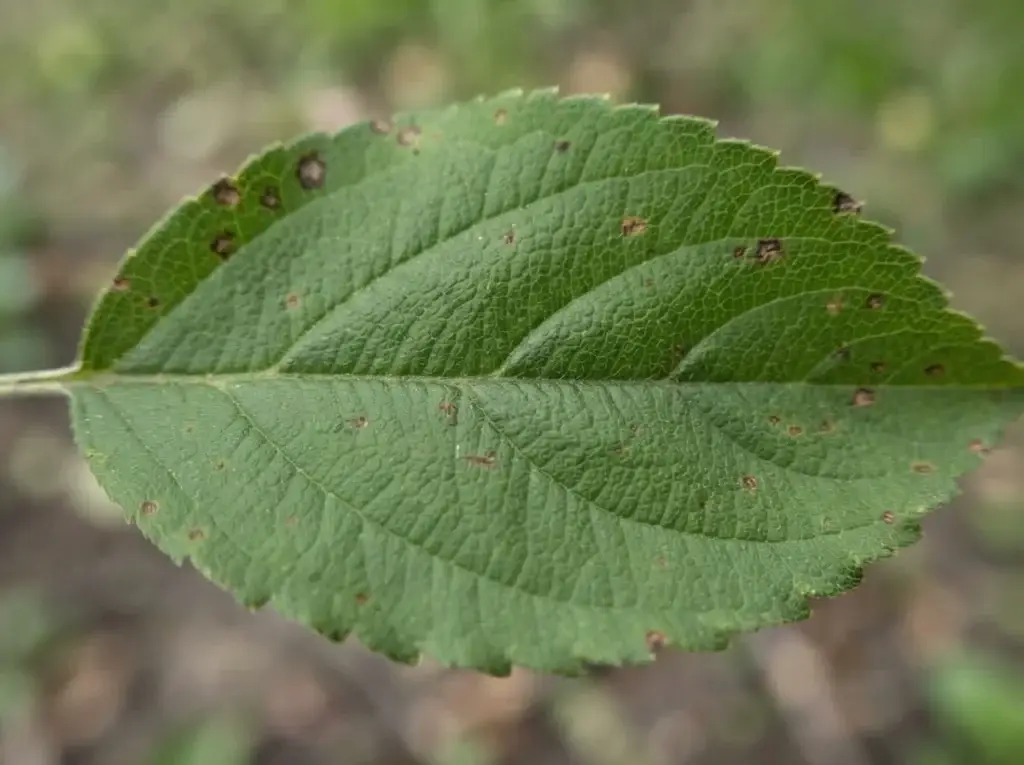
How do you identify an apple tree disease before treating it?
Begin with a whole-tree inspection rather than a single close-up; that’s the first practical step toward an accurate diagnosis. Record whether symptoms occur on leaves, blossoms, shoots, bark, roots, or fruit, and note whether they are isolated or spreading through the canopy.
Next, check the season, recent weather, irrigation method, nearby cedar or juniper, pruning history, and any pesticide or fertilizer use. This context matters because disease organisms often need moisture, wounds, or a particular host relationship, while drought, root damage, and insects can create similar discoloration.
Video resource: “Apple Disease Solutions” from Backyard Farmer, presented in the UNL Extension context. Use the video to compare broad symptom patterns, but don’t treat it as a substitute for a local diagnosis.
Match the symptom to the plant part
- Leaves: Compare spot color, border, texture, location near veins, curling, powder, and timing of leaf drop.
- Fruit: Look for corking, cracking, rot, raised lesions, blemishes, and whether damage began while fruit was young.
- Shoots and blossoms: Check for water-soaked tissue, sudden wilt, blackening, ooze, or a shepherd’s-crook shape.
- Bark and roots: Look for sunken cankers, loose bark, poor anchorage, saturated soil, or recurring dieback.
Photographs are most useful when they show the whole tree, a close-up of the symptom, the underside of a leaf, and the surrounding site. That evidence can improve a consultation with a cooperative extension diagnostic clinic.
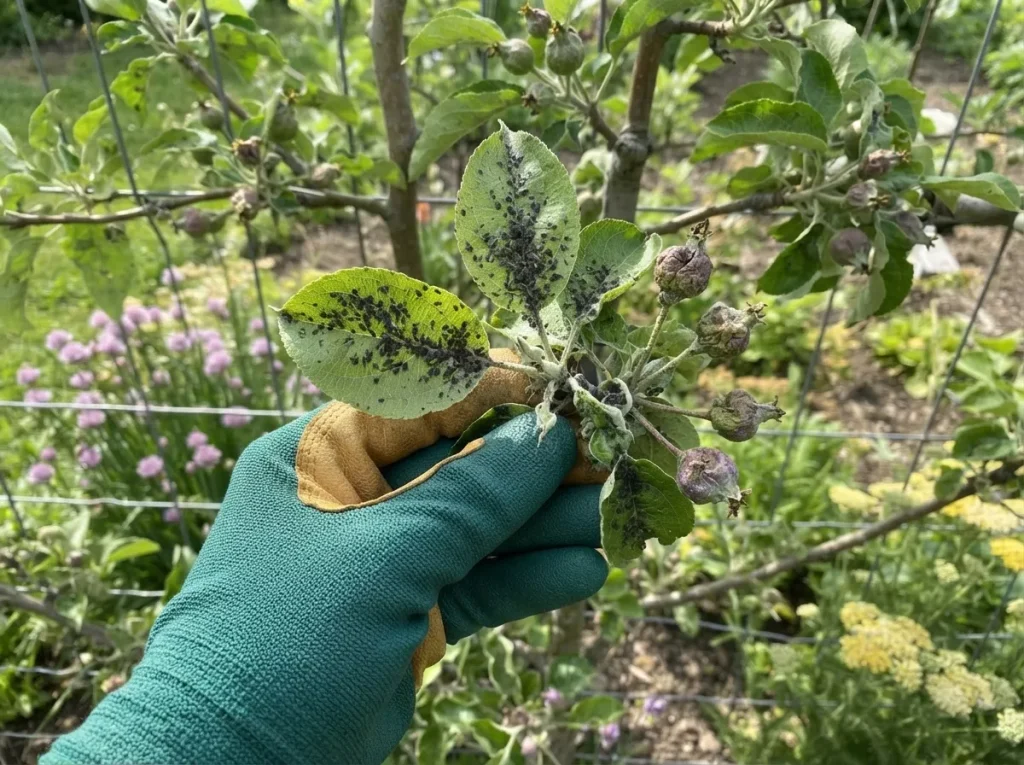
Separate disease from insects, injury, and stress
Chewed edges, webbing, honeydew, stippling, and visible insects suggest an arthropod problem rather than a primary fungal or bacterial disease. Likewise, uniform yellowing, wilt in dry soil, or symptoms concentrated on the side facing a mower or string trimmer may point to stress or injury.
More than one problem can occur at once, though, so avoid applying a broad pesticide mixture before confirming the cause, especially during bloom, when pollinators may be present.
What are the best prevention and treatment steps?
The most reliable strategy begins before symptoms appear. Prevention can’t guarantee a clean crop, but it can reduce disease pressure and protect new growth.
Sanitation and canopy airflow
- Remove fallen leaves and mummified fruit that can harbor disease organisms.
- Prune dead, broken, crossing, or diseased wood with clean tools and dispose of infected debris away from the tree.
- Keep irrigation from wetting foliage when practical, and improve drainage if the root zone stays saturated.
- Maintain an open canopy so leaves dry more quickly after rain or irrigation.
Also inspect nearby crabapples, cedar, and juniper when rust or scab is suspected. The University of Maryland Extension notes that apple scab is a common fungal disease of apple and crabapple trees in its tree disease guidance.
Resistant varieties and site decisions
When replacing a tree, prioritize a variety with resistance to the diseases common in your region, while also checking USDA hardiness, chill requirements, rootstock size, and pollination needs. Resistance lowers risk, but it doesn’t eliminate the need for sanitation and monitoring.
Plant in a site with adequate sunlight and drainage, provide enough spacing for mature canopy growth, and avoid unnecessary wounds. These choices make long-term disease management noticeably easier.
Preventive fungicides and label safety
Many fungicides are protectants: they work on healthy tissue when applied at the correct stage and interval, but they generally can’t restore a leaf that already has a spot or reverse a corky fruit lesion. Identify the disease and consult local extension recommendations before selecting a product.
Use only products registered for the intended crop and disease in your state. Follow the label for rate, timing, personal protective equipment, re-entry, pollinator precautions, and the preharvest interval. Never improvise a spray schedule from a different climate or crop.
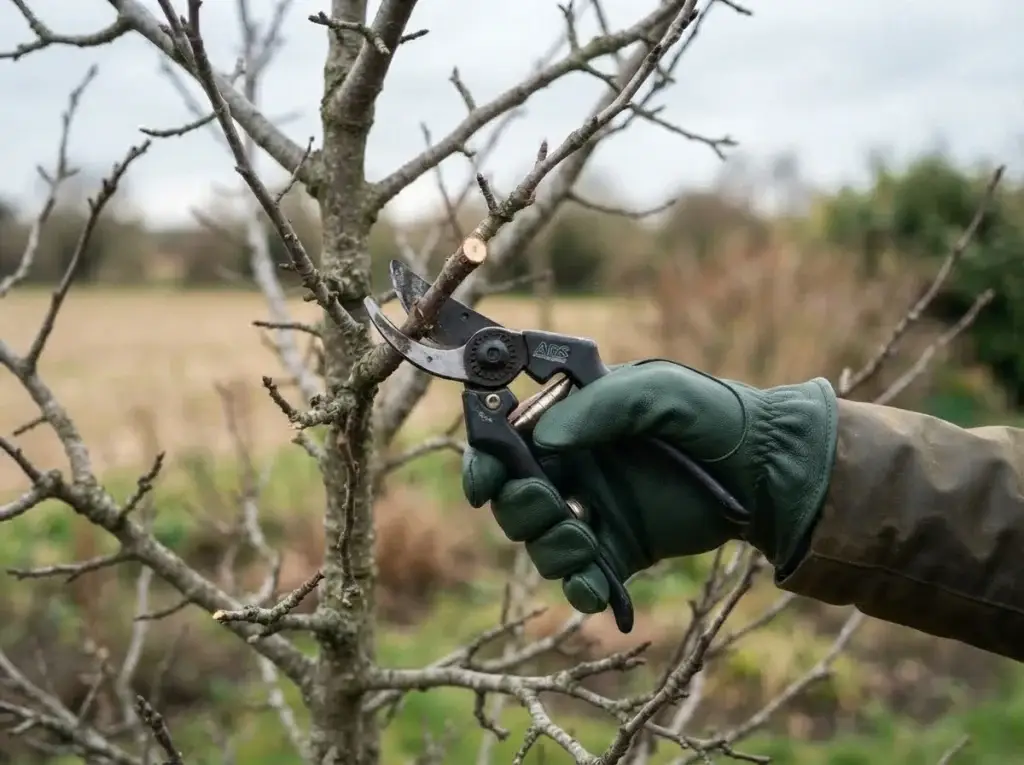
Extension consensus: Effective home-orchard disease management combines resistant varieties, sanitation, pruning for airflow, monitoring, and correctly timed, label-directed protection. A spray is not a universal cure, and diagnosis should come before treatment.
When should you call an arborist or diagnostic clinic?
Seek professional help when a mature or valuable tree has recurring branch dieback, trunk cankers, suspected fire blight, root-zone decline, major structural damage, or symptoms that don’t fit one disease pattern. Professional diagnosis matters most when symptoms involve major limbs or the trunk. A certified arborist can assess safety and structure, while a university extension diagnostic clinic can help confirm a plant disease.
Bring clear photos, affected samples when accepted, the tree’s variety and age if known, recent weather, irrigation details, and a list of products already used. This information makes both the clinic’s diagnosis and your own disease-identification research more useful, and it reduces unnecessary treatments.
FAQs
1. Can apple tree diseases be cured after symptoms appear?
Some problems can be contained, but existing leaf spots, dead shoots, and corky fruit usually don’t return to healthy tissue. In many cases, treatment means removing infected material, reducing the next infection cycle, and protecting new tissue rather than erasing visible damage.
2. Why do apple leaves have spots and then fall?
Apple scab is one possibility, especially when spots begin olive-green and become dark, merged, or fringed before yellowing and early leaf drop. Rust, black rot, insects, drought, and root stress can look similar, so check the whole symptom pattern before treating.
3. How can I tell apple scab from cedar-apple rust?
Scab commonly produces olive-green to brown velvet-like spots and corky fruit lesions. Cedar-apple rust more often produces yellow-orange spots and may be associated with compatible cedar or juniper nearby. A local diagnostic resource can confirm uncertain cases.
4. What should I do if an apple tree has fire blight?
Isolate the symptoms, avoid moving contaminated material, and seek local extension guidance on pruning. Fire blight can move through shoots and branches, so cutting decisions, tool disinfection, and timing matter; don’t rely on a generic fungicide as a cure for this bacterial disease.
5. Is white powder on apple leaves always powdery mildew?
No. White growth may be powdery mildew, residue, insect-related material, or another issue. Check whether it’s a persistent powder on young tissue with curling or distortion, then compare the pattern with an extension diagnostic guide before choosing a treatment.
6. Are home remedies safe for edible apples?
Not automatically. Household mixtures can injure foliage, leave residues, or lack a legal label for edible fruit. Use cultural practices first, and apply only a product registered for apples and the target disease, exactly as its label directs.
Related Articles
- Apple tree diseases, the parent overview of the disease cluster.
- Common apple tree diseases, a broader symptom and cause guide.
- Apple tree disease identification, a visual diagnosis workflow.
Sources
- University of Minnesota Extension, Apple scab of apples and crabapples.
- University of Minnesota Extension, Cedar-apple rust and related rust diseases.
- University of Maryland Extension, Tree Diseases.
- Oregon State University Extension, Managing diseases and insects in home orchards.
- Backyard Farmer, Apple Disease Solutions.
Disclaimer: This article is for informational purposes only. Field identification of apple tree diseases can be challenging. For a confirmed diagnosis, consult a certified arborist or contact your local university cooperative extension plant diagnostic clinic. Always read and follow pesticide label directions before applying any product.
